
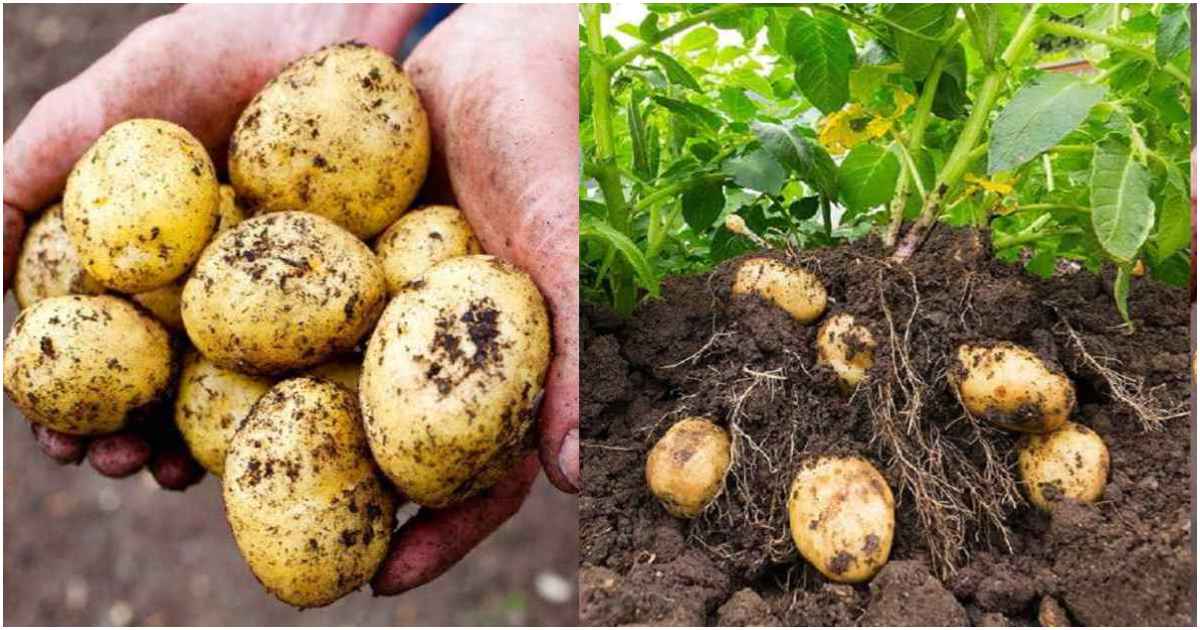
ഇനി കിലോക്കണക്കിന് ഉരുളകിഴങ്ങ് പറിച്ച് മടുക്കും ഈ സൂത്രം ചെയ്താൽ; ഈ സമയത്ത് ഉരുളൻ കിഴങ്ങ് കൃഷി ചെയ്താൽ കുട്ട നിറയെ വിളവെടുക്കാം.!! Potato Cultivation Tips

Potato Cultivation Tips
- Climate: Potato grows best in cool climates with temperatures between 15–25°C.
- Soil: Use loose, well-drained sandy loam soil rich in organic matter.
- Seed Selection: Choose healthy, disease-free seed potatoes with good sprouts.
- Land Preparation: Plough the land well and mix compost or well-decomposed cow dung.
- Planting Time: Ideal planting season is October–November or January–February depending on the region.
- Spacing: Maintain 45–60 cm between rows and 20–25 cm between plants.
- Watering: Irrigate lightly after planting and regularly, avoiding waterlogging.
- Earthing Up: Cover the base of plants with soil when they grow 15–20 cm tall.
- Fertilizer: Apply organic manure or balanced NPK fertilizer as needed.
- Pest Control: Monitor for pests like aphids and caterpillars; use organic sprays if possible.
Easy Potato Cultivation Tips : ഒരു ഉരുളകിഴങ്ങ് മതി ഒരു കുട്ട നിറയെ വിളവെടുക്കാൻ! ഇനി കിലോക്കണക്കിന് ഉരുളകിഴങ്ങ് പറിച്ച് മടുക്കും ഈ സൂത്രം ചെയ്താൽ! ഇങ്ങനെ ഉരുളകിഴങ്ങ് കൃഷി ചെയ്താൽ കുട്ട നിറയെ വിളവ് ഉറപ്പ്! ഒരു ഉരുളകിഴങ്ങ് മതി എത്ര പറിച്ചാലും തീരാത്തത്ര ഉരുളകിഴങ്ങ് വീട്ടിൽ വളർത്താം; ഇനി ഉരുളകിഴങ്ങ് പറിച്ച് മടുക്കും. നമ്മൾ കറികളിൽ മിക്കപ്പോഴും ഉപയോഗിക്കുന്ന കിഴങ്ങുവർഗമാണ് ഉരുളകിഴങ്ങ്. കടകളിൽ നിന്നായിരിക്കും മിക്കവാറും നമ്മൾ ഉരുളകിഴങ്ങ് വാങ്ങാറുണ്ടാകുക. എന്നാൽ നമുക്ക് തന്നെ വീടുകളിൽ ഉരുളകിഴങ്ങ് കൃഷി ചെയ്യാവുന്നതേ ഉള്ളൂ..
ഒരു ഉരുളകിഴങ്ങ് മതി നമുക്ക് ധാരാളം ഉരുളകിഴങ്ങ് ഉണ്ടാക്കിയെടുക്കുവാൻ. കൃഷി ചെയ്യാനായി വിത്ത് എവിടെ കിട്ടും എന്ന് ഓർത്ത് ആരും വിഷമിക്കേണ്ട. കടയില് നിന്നു വാങ്ങുന്ന ഉരുളക്കിഴങ്ങില് നിന്ന് നമുക്ക് കൃഷിചെയ്യാം. ഒരു ഉരുളകിഴങ്ങ് മതി ഒരു കുട്ട വിളവെടുക്കാൻ!! ഈ സമയത്ത് ഉരുളൻ കിഴങ്ങ് കൃഷി ചെയ്താൽ കുട്ട നിറയെ വിളവെടുക്കാം. എങ്ങിനെയാണ് ചെയ്യേണ്ടത് എന്ന് വീഡിയോയില് വിശദമായി നിങ്ങൾക്ക് കാണിച്ചു തരുന്നുണ്ട്. അതുകൊണ്ട് വീഡിയോ സ്കിപ് ചെയ്യാതെ മുഴുവനായും നിങ്ങൾ ഒന്ന് കണ്ടു നോക്കണം. എന്നിട്ട് ഇതുപോലെ നിങ്ങളും വീട്ടിൽ തീർച്ചയായും ചെയ്തു നോക്കൂ..
നിങ്ങൾക്കും നല്ല റിസൾട്ട് കിട്ടുന്നതാണ്. ഈ വീഡിയോ നിങ്ങളെ എല്ലാവരെയും സഹായിക്കും എന്ന് കരുതുന്നു. വീട്ടിൽ അടുക്കള തോട്ടമുള്ളവർക്ക് വളരെയേറെ ഉപകാരപ്രദമായ അറിവാണിത്. ഇത്രയും കാലം ഇത് അറിയാതെ പോയല്ലോ നമ്മൾ. ഇതല്ലാതെ വേറെ വല്ല ഐഡിയകൾ നിങ്ങൾക്ക് അറിയാമെങ്കിൽ കമെന്റ് ചെയ്യാൻ മറക്കരുതേ കൂട്ടുക്കാരെ.. കൂടുതല് വീഡിയോകള്ക്കായി PRS Kitchen ചാനല് സബ്സ്ക്രൈബ് ചെയ്യാനും ബെൽ ഐക്കൺ ക്ലിക്ക് ചെയ്തു നോട്ടിഫിക്കേഷൻ ഇനേബിൾ ചെയ്യാനും മറക്കരുത്. Video Credit : PRS Kitchen
Potato Cultivation Tips
1. Soil Preparation
- Choose loamy, well-drained soil rich in organic matter.
- Avoid clay-heavy or waterlogged soils, as these cause rot.
- Maintain soil pH between 5.5 and 6.5.
- Mix cow dung compost or well-rotted manure (25–30 tons/ha) into the soil before planting.
- Tilling 8–10 inches deep helps loosen the soil, allowing better tuber growth.
2. Seed Potato Selection
- Use certified seed potatoes, not store-bought ones, as they may contain sprout inhibitors.
- Choose pieces with 2–3 eyes for replanting. Small potatoes can be planted whole.
- Dry cut seed pieces for 2–3 days before planting to reduce rot risk.
3. Planting
- Start planting 2–4 weeks before the last expected frost when soil temperatures reach 45°F (7°C).
- Plant seed potatoes 4–6 inches deep and 12 inches apart within rows. Spacing between rows should be 30–36 inches.
- Always keep the eyes (sprouts) facing upward for uniform sprouting.
4. Water Management
- Keep soil consistently moist, but not waterlogged.
- Water 1–2 times weekly, depending on weather conditions.
- Stop watering a week before harvest to firm up tubers and prevent splitting.
-
5. Hilling (Earthing Up)
- When plants reach 6–8 inches tall, mound soil around the stems.
- Repeat every 2–3 weeks until hills are 12–15 inches high.
- This gives tubers more room to grow and prevents greening caused by sunlight exposure.
6. Pest and Disease Control
- Rotate crops yearly; do not plant potatoes after tomatoes, peppers, or eggplants to avoid blight.
- Use neem oil spray for natural pest management.
- Water in the morning to limit fungal infections like early or late blight.
7. Fertilization
- Apply fertilizers rich in phosphorus and potassium to improve tuber formation.
- Avoid excessive nitrogen—this results in lush foliage and smaller tubers.
- Compost tea or liquid organic fertilizer every two weeks can enhance growth.
8. Harvesting
- Potatoes are ready for harvest 90–120 days after planting, depending on the variety.
- Leaves will start yellowing—this indicates maturity.
- Gently lift the plant and brush off soil without damaging tubers.

Comments are closed.